Buying new construction: what to negotiate with builders
A new home isn’t a fixed-price product. With the right approach — and your own representation — there’s real room to negotiate.
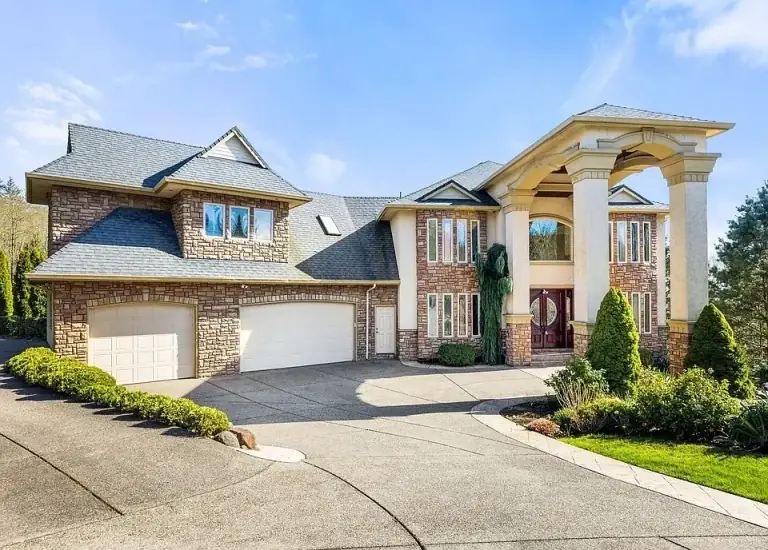
The model home is polished, the kitchen professionally staged, the landscaping complete. Then the builder hands you the contract — and buyers discover how much work “starting from” is doing. The displayed home may hold tens of thousands in structural options, upgraded finishes, appliances, and landscaping not in the base price. The lot carries its own premium; the lender incentive may require an affiliated company; the deposit may go nonrefundable long before completion. New construction can be an excellent purchase — but it should be treated as a negotiated real estate transaction, not a retail checkout.
The best new-construction negotiation is rarely about forcing one visible number down. It is about improving total value and controlling the costs that appear around that number.
First, identify the builder’s pressure point
The useful question isn’t “will the builder lower the price?” It’s “what outcome does the builder need from this transaction?” They may be closing inventory, hitting a quarter-end target, selling the last homes in a phase, or avoiding carrying costs. Builders often resist cutting the recorded price — lower comparables affect future appraisals across the development — but will provide value through closing-cost credits, rate buydowns, design-center allowances, appliances, landscaping, lot-premium reductions, HOA contributions, or extended warranty. The visible price may be the least flexible part of the deal.
Three negotiation windows
- Before construction — the most influence over the home itself: structural options, floor-plan changes, rough-ins, EV and generator prep. The builder has little reason to discount a marketable plan, so aim for better specifications and stronger terms rather than the deepest cut.
- During construction — choices narrow as materials are ordered. Leverage improves if a prior buyer canceled, finishes were unusually expensive, or the build has run long. Negotiate around what’s still practical.
- After completion — the clearest opportunity: the builder is paying taxes, financing, and insurance on an unsold home, often against an accounting deadline. Closing credits, rate buydowns, appliances, backyard completion, and price reductions all come into play — though structural choices are fixed.
What to negotiate — beyond price
Evaluate the builder’s response as a package, not one number. A $20,000 price cut may be worth less than $20,000 toward closing, a paid rate buydown, $15,000 in landscaping, appliances, and an extended warranty — though a cash buyer may prefer the direct reduction. Negotiate to your actual financial structure.
- Lot premium — evaluate it as carefully as the house. Is the view protected? What can be built on neighboring parcels? A premium lot should create premium daily living, not just carry a premium label.
- Structural options — the most lasting value, because they’re expensive to add later: extra garage bays, main-floor suites, covered patios, higher ceilings, rough-ins. Builders often include these at cost rather than cut price by full retail.
- Design-center credits — negotiate the allowance and the pricing behind it. A $30,000 credit loses impact against a heavily marked-up upgrade schedule. Prioritize flooring, cabinets, counters, showers, and electrical over items easily replaced later.
- Closing costs & the preferred-lender incentive — have the lender model three scenarios (lower price / credit to closing / credit to rate buydown). Request Loan Estimates from the preferred lender and one competitor; the CFPB recommends comparing multiple. Ask who pays rate-lock extension if the builder misses completion.
- Landscaping, irrigation & fencing — backyards often arrive as bare soil. On a large Clark County lot, grading, drainage, and hardscape can cost heavily. Negotiate completion before closing; unfinished exterior work loses priority once the builder is paid.
- Deposits & completion terms — know when each deposit goes nonrefundable and what happens on denied financing, low appraisal, or major delay. A projected completion date is not a guaranteed closing date; set a practical outside date and a clear process if the build runs long.
- Material substitutions — require comparable-or-better quality, advance notice, and a credit when a substitute costs less. Watch windows, siding, roofing, cabinetry, and mechanicals.
- Warranty & HOA — request the full warranty before signing. Washington’s Chapter 64.50 RCW sets prelitigation notice procedures for construction-defect claims. Confirm HOA setup fees, capital contributions, and completed-home tax estimates (not the vacant-lot figure).
Independent inspections & the punch list
A municipal inspection is not an inspection performed for you. Negotiate the right to inspect at key stages — pre-drywall (before framing, wiring, and plumbing are covered), final (before walkthrough and closing), sewer-scope, and a warranty inspection before the coverage deadline. Use a licensed inspector; Washington’s DOL regulates home inspectors and L&I lets you verify contractor registration, bond, and safety history. Put inspection access, notice, and reinspection rights in writing. And don’t accept “the warranty department will handle it” in place of a written punch list — warranty service and pre-closing completion are not the same thing.
Bring your own representation early
The person in the sales office is there on behalf of the builder — helpful, but not an advisor whose duties run to you. Independent representation helps compare the base home to the model, evaluate lot premiums and comparables, negotiate incentives, coordinate inspections, document the punch list, and keep verbal promises out of the deal unless written in. Engage representation before visiting, registering online, or signing a reservation; builder registration policies vary and can be triggered by that first contact.
The builder’s agent represents the builder. On a purchase this size, you deserve someone representing you.
Price cut vs. incentive package
On a completed home listed at $1,250,000, a builder may reject a $30,000 cut but offer $20,000 toward closing or rate, $12,000 in backyard landscaping, appliances, a year of HOA dues, extended coverage, and a completed punch list before closing. That package can deliver more practical value — but only if the lender permits the full credit, the appliance and landscaping specs are real and documented, and the appraisal supports the unchanged price. Value exists only when concessions are usable, specific, and enforceable.
Red flags in a builder contract
Scrutinize provisions that make deposits nonrefundable immediately, give the builder unlimited completion time, allow broad substitutions without notice, prevent independent inspections, require closing with substantial work unfinished, limit remedies to return of deposit, or treat verbal sales statements as nonbinding. “Standard” means the builder uses it repeatedly — not that the terms are balanced.
Essential Tools and Resources for New Home Buyers
- Ridgefield Development Activity — active projects, monthly summaries, permits, notices.
- Camas Planning & Permitting — subdivision activity, permit reporting, standards.
- Washington Contractor Verification (L&I) — registration, bond, insurance, safety history.
- CFPB Loan Estimate Tools — compare preferred vs. outside lenders on standardized terms.
- Chapter 64.50 RCW — prelitigation notice procedures for construction-defect disputes.
Considering new construction in Ridgefield, Camas, or elsewhere in Clark County? Begin before the sales-office visit — compare communities, confirm representation, review the builder’s inventory, and identify the concessions that create the most real value.
This article is for general educational purposes and is not legal, lending, tax, appraisal, engineering, inspection, insurance, construction, or financial advice. Builder contracts, incentives, warranty rights, and representation policies vary; consult qualified professionals regarding a specific property and contract.
Frequently asked questions
Do builders negotiate on new homes?
Often — particularly on completed inventory, canceled contracts, slower-selling lots, and homes near the end of a phase. Even when the price is firm, closing costs, rate buydowns, upgrades, appliances, landscaping, and warranty terms may all be negotiable.
Should I use the builder’s preferred lender?
The incentive may be worthwhile, but compare its official Loan Estimate against at least one outside lender — weighing rate, points, fees, monthly payment, cash to close, and rate-lock extension terms.
Do I need an inspection on a newly built house?
Yes. New homes can still carry installation errors, incomplete work, or drainage issues. Negotiate the right to independent pre-drywall, final, sewer, and warranty inspections — municipal inspections are for code compliance, not for you.
Can I bring my own agent to a builder?
Yes — but involve them before you register or visit the sales office. Builder registration policies vary and some require your agent to accompany or register you on the first visit.
Are landscaping and fencing included?
Not always. Some builders provide only front-yard landscaping and exclude fencing, irrigation, backyard work, retaining walls, or patios. Every included exterior feature should be named in the contract.