The quiet case for acreage in Brush Prairie
Privacy, land, and room to build draw buyers north and east of the city — but rural estates carry a different set of questions than a home in town.
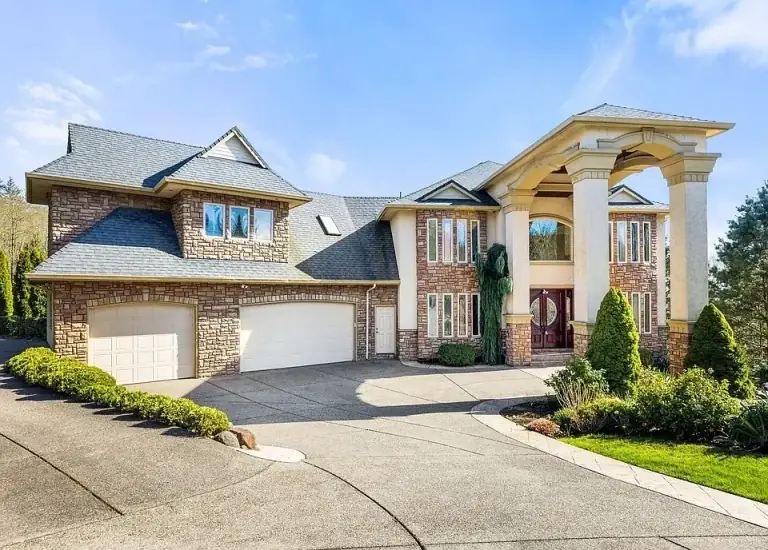
Brush Prairie and Hockinson offer something the hillside neighborhoods can’t: real land. Custom homes on multiple acres, shops and outbuildings, equestrian potential, and a genuine sense of separation — all within a short drive of Camas and Vancouver.
What acreage really buys
Privacy is the headline, but the deeper draw is optionality — space for a shop, a barn, a guest house, or simply an unbroken view. That flexibility is exactly why these properties reward careful diligence.
Check before you commit
- Well production, water quality, and any shared-well agreements
- Septic condition, capacity, reserve area, and records
- Road maintenance, access rights, and easements
- Zoning, land use, and what you may actually build
On acreage, the most expensive surprises are almost always outside the house.
Done right, a Brush Prairie estate is among the most rewarding purchases in the county — privacy and possibility that simply don’t exist closer in.
Where the acreage actually is
Buyers say “Brush Prairie” and mean several very different places. The parcel’s location decides your school assignment, your utilities, and often whether you can do the thing you bought the land to do.
| Area | Character | What to know |
|---|---|---|
| Hockinson | Rolling acreage | School assignments vary by parcel; confirm the assignment for the specific parcel with the district — boundaries do not follow the mailing address. |
| Pleasant Valley | Wooded seclusion | Genuine privacy and equestrian potential. Expect private wells, shared drives, and longer utility runs. |
| Brush Prairie core | Usable flat land | Closest to Battle Ground and Camas services. More likely to have public water available at the road. |
| Toward Camas | Transitional | Blends acreage with proximity to Camas amenities; verify which jurisdiction reviews permits. |
For a fuller picture of the area’s inventory and pricing, see our Brush Prairie & Hockinson community guide.
The four questions that decide an acreage purchase
On acreage, the house is often the least of it. These four items account for most of the surprises — and all of them can be answered before your contingency expires.
- Water. If the home is on a private well, ask for the well log, recent flow-rate testing, and water-quality results. Shared wells require a recorded agreement — read who pays for what when the pump fails.
- Septic. Request the as-built, the permit history, and the last pumping and inspection records. Confirm the reserve drainfield area exists and is not sitting under the new shop pad.
- Access. Private and shared roads need recorded easements and a maintenance understanding. “We all just chip in” is not a document.
- Use. Zoning, critical-area designations, and wetland setbacks decide whether you can add a barn, an ADU, or animals. Verify before you offer, not after.
Buyer Scenario
The shop that could not be built
A family bought five acres intending to add a 2,400-square-foot shop for a car collection. The listing photos showed a flat, cleared area that looked ideal for it.
That area turned out to sit partly inside a mapped critical-area buffer, and the rest overlapped the septic reserve drainfield. The shop, as imagined, was not permittable on that footprint.
A pre-offer call to county permitting and a look at the septic as-built would have cost nothing. Instead the buyers absorbed a redesign, a smaller building, and a year of delay.
Composite scenario for illustration — not a specific transaction
Assuming acreage means freedom
Rural land often carries more use restrictions than a city lot — critical areas, setbacks, and resource designations all narrow what you can build.
Taking the well on faith
Flow rate in August is the number that matters. A test during the wet season can tell you very little.
Ignoring the reserve drainfield
It is real, it is mapped, and building over it is expensive to undo.
Skipping the survey
Fence lines, drives, and outbuildings on acreage routinely sit somewhere other than the legal boundary.
Decision Checklist
Before you write on an acreage estate
- Well log, flow-rate test, and water-quality results reviewed
- Septic as-built, permit history, and inspection records obtained
- Reserve drainfield area located and confirmed unbuilt
- Zoning, critical areas, and wetland buffers verified with the county
- Recorded access easements and road-maintenance terms reviewed
- Boundary survey ordered if fences, drives, or outbuildings are near lines
- Intended use — animals, shop, ADU, short-term rental — confirmed permittable
Verify It Yourself · Official Sources
Clark County Community Development — Permits, zoning, critical areas, and septic (on-site sewage) records
Washington State Department of Health — On-site sewage system and drinking-water standards
Washington Department of Ecology — Water rights, wells, and wetland regulation
Clark County Public Works — Road standards, access, and right-of-way questions
Your next step
Before you tour acreage, send me the parcel numbers you are considering. Most disqualifying issues are visible in public records long before an inspection — and knowing them changes what you offer.